
valve guide reamers
Valve Guide Reamers: A Comprehensive Overview (02/03/2026 23:05:39)
Valve guide reamers are vital for precise valve stem fit, impacting engine performance and durability. Shops prioritize reamer lifespan due to significant expense.
Valve guide reamers represent specialized cutting tools crucial within automotive machining, dedicated to achieving precise dimensions and superior finishes on valve guides. These tools are not merely for sizing; they directly influence the accurate alignment and smooth operation of engine valves, profoundly impacting overall engine performance and longevity.
Given the substantial expense associated with frequent reamer replacement, machine shops prioritize maximizing the lifespan and efficiency of these tools. Primarily, cylinder heads utilize two common valve guide materials: cast iron and various bronze alloys. Understanding the specific material properties is key to selecting the appropriate reamer type and technique for optimal results. Proper reaming ensures the correct valve stem-to-guide clearance, a critical factor in maintaining engine health.
The Importance of Precise Valve Guide Sizing
Precise valve guide sizing is paramount for optimal engine function. Incorrect sizing – whether oversized or undersized – directly compromises valve stem control, leading to diminished engine performance and potential damage. A properly sized guide ensures concentricity, preventing valve wear and maintaining a reliable valve seal.
Achieving the correct valve stem-to-guide clearance is equally vital. Too much clearance results in valve wobble, oil consumption, and reduced power. Insufficient clearance causes valve sticking and potential overheating. Therefore, meticulous reaming, utilizing appropriate tools and techniques, is essential for maximizing engine efficiency and extending its operational life. The reamer’s accuracy directly translates to engine reliability.
Valve Guide Reamer Applications
Valve guide reamers find extensive application within automotive machine shops, serving as indispensable tools during cylinder head refurbishment and engine rebuilding processes. They are crucial when replacing valve guides, ensuring a precise internal diameter for optimal valve stem fit. Beyond replacement, reamers are used to restore worn or damaged guides, correcting inaccuracies that compromise engine performance.
Furthermore, performance engine builders utilize reamers to achieve specific valve stem-to-guide clearances tailored to high-performance applications. This precise control enhances valve control at elevated engine speeds. Whether for routine maintenance or specialized builds, the reamer’s role is central to achieving a reliable and efficient engine.

Types of Valve Guides and Corresponding Reamers
Valve guides commonly come in cast iron, bronze, or chilled cast iron, each requiring specific reamer types for optimal sizing and a precise finish.
Cast Iron Valve Guides
Cast iron valve guides are a prevalent choice in many cylinder heads due to their cost-effectiveness and adequate wear resistance for standard engine applications. However, they are susceptible to wear over time, necessitating reaming to restore proper valve stem-to-guide clearance. When reaming cast iron guides, machinists often employ knurling techniques beforehand, especially on older, worn guides. This process essentially creates an internal threading effect, raising material within the guide bore to provide a more substantial surface for reaming.
Selecting the appropriate reamer is crucial; straight flute or spiral flute reamers are commonly used, depending on the desired finish and material removal rate. Careful attention to speed and pressure during the reaming process is essential to avoid excessive heat buildup and maintain dimensional accuracy.
Bronze Valve Guides
Bronze valve guides represent a premium option, offering superior wear resistance and self-lubricating properties compared to cast iron; This makes them particularly suitable for high-performance engines or applications where extended service life is critical. While bronze guides generally wear slower, they still require periodic inspection and reaming to maintain optimal valve train function.
Due to their softer nature compared to cast iron, bronze guides often benefit from a more cautious reaming approach. Carbide reamers are frequently preferred for bronze, providing sharper cutting edges and minimizing the risk of smearing or galling during the reaming process. Maintaining proper lubrication is also paramount when working with bronze guides.
Chilled Cast Iron Valve Guides
Chilled cast iron valve guides represent a common and cost-effective solution for many engine applications. The “chilling” process hardens the inner surface of the guide bore, enhancing its wear resistance against the valve stem. However, they are still susceptible to wear over time, necessitating reaming to restore proper valve stem-to-guide clearance.
When reaming chilled cast iron guides, machinists often employ high-speed steel (HSS) reamers due to their balance of cost and performance. Careful attention must be paid to avoid excessive pressure, which can cause cracking or chipping of the hardened surface. Regular inspection for wear and proper lubrication during reaming are crucial for optimal results.
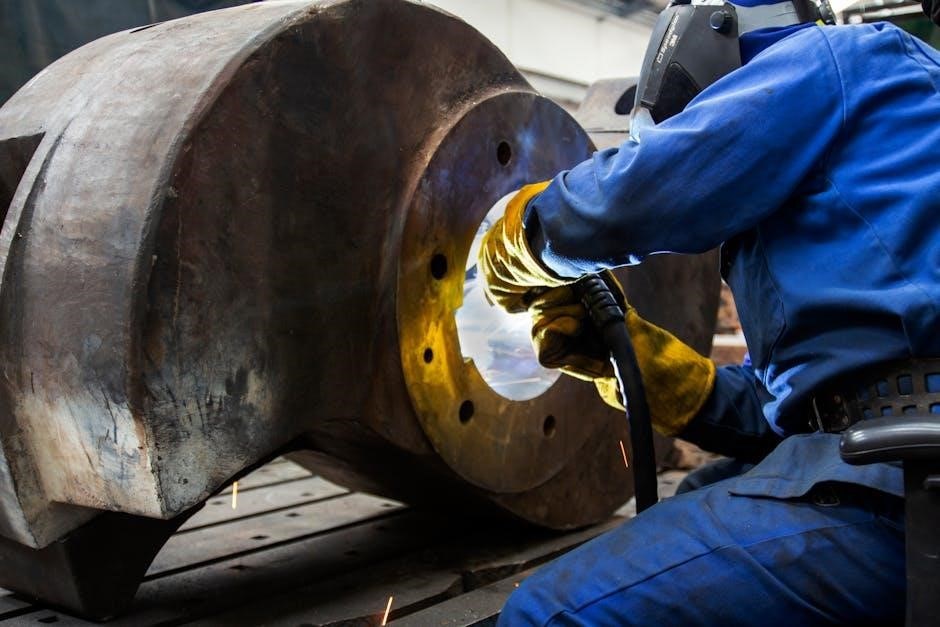
Valve Guide Reamer Types

Valve guide reamers come in diverse designs – straight flute, spiral flute, carbide, and high-speed steel – each suited for specific materials and applications.
Straight Flute Reamers
Straight flute reamers represent a common and cost-effective choice for valve guide work, particularly when dealing with softer materials like cast iron. These reamers feature parallel cutting edges running the length of the tool, providing a consistent reaming action. KPMI Carbide reamers, for instance, are manufactured as solid carbide and heat-treated, ground to a tolerance of +/- .0002″, and typically possess a six-flute design.
The pilot length, often ranging from 1.0 to 1.5 inches on KPMI models, is crucial for maintaining alignment during the reaming process. They are well-suited for general reaming tasks and offer a good balance between performance and affordability, making them a staple in many machine shops. However, they may not be the best option for harder materials or when extremely precise finishes are required.
Spiral Flute Reamers
Spiral flute reamers offer distinct advantages over straight flute designs, primarily in chip evacuation. The spiraling cutting edges continuously pull chips away from the cutting zone, reducing friction and heat buildup. This characteristic makes them particularly effective when reaming deeper valve guides or materials prone to clogging. While the provided text doesn’t detail specifics on spiral flute reamers, the principle of efficient chip removal is key.
This improved chip control also contributes to a smoother finish and increased reamer life. Though potentially more expensive than straight flute options, the enhanced performance and reduced risk of binding or sticking can justify the investment, especially in high-volume or precision applications. They are a valuable tool for machinists seeking optimal results.
Carbide Valve Guide Reamers
Carbide valve guide reamers, like those manufactured by KPMI, represent a premium option for demanding machining tasks. Constructed from solid carbide and subsequently heat-treated and precision-ground, these reamers boast exceptional hardness and wear resistance. KPMI reamers are ground to a tolerance of +/- .0002 inches, ensuring incredibly precise sizing.
Featuring a straight-flute, six-flute design, and a pilot length of 1.0 to 1.5 inches, they provide stability and accuracy during operation. The solid carbide construction allows for faster cutting speeds and extended tool life compared to high-speed steel alternatives. Proper insertion of the pilot into the guide is crucial for achieving the desired size.
High-Speed Steel (HSS) Valve Guide Reamers
While the provided text doesn’t explicitly detail HSS reamers, their characteristics can be inferred. High-Speed Steel (HSS) valve guide reamers offer a more economical alternative to carbide options, suitable for lower-volume work or softer guide materials. They generally feature a similar flute design – straight or spiral – to facilitate chip evacuation during the reaming process.
Compared to carbide, HSS reamers are less brittle but also less wear-resistant, requiring more frequent sharpening to maintain accuracy. Proper lubrication is essential when using HSS reamers to reduce friction and heat buildup. Though not mentioned in the source, HSS reamers are a common choice for general machine shop use.
Valve Guide Reamer Sizes and Standards
Valve guide reamers are available in both metric and imperial (inch) sizes, ensuring compatibility with diverse engine applications and adhering to industry standards.
Metric Valve Guide Reamer Sizes
Metric valve guide reamers are commonly used in European and Asian vehicle engine repairs and performance builds. These reamers are designated by their diameter in millimeters (mm). A frequently encountered size is 5.5mm, often paired with valves having stems sized for a specific clearance when reamed to 0.2165 inches.
The selection of the correct metric reamer size is crucial for achieving the proper valve stem-to-guide clearance. Machinists must carefully consider the valve stem diameter and the desired interference fit. Common metric sizes include 6mm, 8mm, and 10mm, though other sizes are available to accommodate a wide range of engine designs. Precise sizing ensures optimal valve control and longevity, preventing premature wear and maintaining engine efficiency.
Imperial (Inch) Valve Guide Reamer Sizes
Imperial, or inch-based, valve guide reamers are predominantly used in American vehicle engine work. These reamers are specified by their diameter in inches, often expressed with several decimal places for precision. Achieving the correct valve stem-to-guide clearance is paramount, dictating the reamer size chosen.
A common size, as exemplified by successful applications, is achieving 0.2165 inches after reaming a 5.5mm guide. Other frequently used sizes include 7/32″, 1/4″, and 9/32″, catering to diverse engine architectures. Careful consideration of valve stem diameter and desired interference fit is essential. Accurate sizing minimizes valve wobble, maximizing performance and extending component life.
Understanding Valve Stem to Guide Clearance
Optimal valve stem to guide clearance is critical for engine health, balancing free movement with minimal wobble. Too little clearance causes valve sticking and wear, while excessive clearance leads to valve instability and reduced performance. A typical target clearance ranges from 0.0015″ to 0.0025″ for most performance applications.
Achieving this requires precise reaming. The valve stem diameter and guide material influence the ideal clearance. For instance, a reamer sizing a guide to 0.2165″ with a corresponding valve stem ensures desired interference. Regular inspection and proper reaming technique are vital for maintaining this crucial specification, maximizing engine longevity and efficiency.
Using Valve Guide Reamers: A Step-by-Step Guide
Proper reaming involves guide inspection, careful alignment, controlled speed and pressure, and post-reaming size verification for optimal valve stem fit and performance.
Preparation: Guide Inspection and Knurling
Before reaming, a thorough inspection of the valve guide’s internal diameter is crucial. Look for excessive wear, scoring, or ovality that might compromise the reaming process and final valve stem fit. If the guides are significantly worn, particularly older ones, knurling becomes a necessary preparatory step.
Knurling, essentially an internal threading operation, raises material within the guide bore. This process increases the guide’s diameter, providing sufficient material for the reamer to accurately size it. It’s particularly beneficial when refurbishing guides that have experienced substantial wear, ensuring a proper interference fit with the valve stem after reaming. Careful knurling maximizes reamer efficiency and guide longevity.
Reamer Insertion and Alignment
Proper reamer insertion and alignment are paramount for achieving accurate valve guide sizing. Begin by carefully inserting the reamer’s pilot portion into the valve guide bore. Ensure the pilot is fully seated to maintain consistent alignment throughout the reaming process. A steady, controlled motion is essential; avoid forcing the reamer, as this can lead to misalignment and an inaccurate finish.
Maintaining perfect alignment prevents guide eccentricity and ensures a uniform bore diameter. Utilize a reamer handle or fixture designed to provide a stable grip and minimize wobble. Regularly check the alignment during insertion, especially with longer guides, to guarantee a straight and true reaming operation.
Reaming Technique: Speed and Pressure
The reaming technique—specifically speed and applied pressure—significantly impacts the final guide size and surface finish. Employ a moderate, consistent rotational speed; excessive speed generates heat and can dull the reamer’s cutting edges. Apply gentle, even pressure during the reaming process. Avoid forcing the reamer, as this can cause it to bind or deflect, resulting in an oversized or eccentric bore.
Maintain a steady feed rate, allowing the reamer to gradually remove material. Frequent, small passes are preferable to a single, aggressive cut. Monitor the reaming process closely, feeling for any resistance or binding. A smooth, effortless rotation indicates proper technique and alignment.
Checking Guide Size After Reaming
Accurate verification of the valve guide’s inner diameter post-reaming is crucial for ensuring correct valve stem-to-guide clearance; Utilize a precision bore gauge to measure the guide’s size at multiple points along its length. Compare the measured diameter to the specified dimensions for the particular engine application.
Minor variations within the acceptable tolerance range are permissible, but significant deviations necessitate corrective action. If the guide is undersized, further reaming may be required. Conversely, an oversized guide may need replacement. Consistent and accurate measurements guarantee optimal engine performance and longevity.

Valve Guide Reamer Maintenance and Care
Proper cleaning, lubrication, and inspection for wear are essential to maximize the life and efficiency of your valve guide reamers, saving costs.
Cleaning and Lubrication
Maintaining valve guide reamers through consistent cleaning and lubrication is paramount for optimal performance and extended tool life. After each use, thoroughly remove any metal chips or debris accumulated during the reaming process. A soft brush and solvent, specifically designed for cutting tools, are ideal for this purpose.
Following cleaning, apply a light coat of high-quality cutting oil or lubricant to the flutes and pilot section of the reamer. This lubrication minimizes friction during subsequent reaming operations, reducing wear and preventing potential binding or sticking. Proper lubrication also aids in achieving a smoother, more accurate finish on the valve guides. Regular attention to these details will significantly contribute to the longevity and effectiveness of your reamers.
Sharpening Valve Guide Reamers
Maintaining a sharp cutting edge is crucial for the efficiency and accuracy of valve guide reamers. While carbide reamers are exceptionally durable, they will eventually require sharpening to restore optimal performance. This process is best left to experienced tool sharpening professionals, as improper sharpening can damage the reamer’s geometry.
Sharpening involves carefully regrinding the cutting flutes to their original profile, ensuring consistent flute depth and angle. Regular inspection for wear and damage is key to determining when sharpening is necessary. A dull reamer will generate excessive heat, leading to guide distortion and a poor surface finish. Investing in professional sharpening extends the reamer’s lifespan and maintains precision.
Inspecting for Wear and Damage
Regular inspection of valve guide reamers is paramount for maintaining accuracy and preventing costly errors. Examine the cutting flutes for signs of wear, such as chipped edges, rounding, or dullness. Check the pilot section for damage, ensuring it remains straight and free from nicks; Any imperfections in the pilot can compromise guide alignment.
Also, inspect the reamer’s overall condition for cracks or signs of excessive heat. A damaged reamer can create oversized or eccentric guides, leading to valve train issues. Consistent monitoring allows for timely sharpening or replacement, maximizing reamer lifespan and ensuring optimal engine performance. Prioritize preventative maintenance!
Advanced Techniques and Considerations
For worn guides, knurling raises material for reaming. Performance builds demand precise sizing, while pilot length impacts accuracy during the reaming process.
Reaming Worn Valve Guides
When addressing significantly worn valve guides, a preparatory step of knurling becomes crucial before the reaming process. Knurling, essentially an internal threading operation, effectively raises the material within the guide bore. This material enhancement is vital because severely worn guides may lack sufficient material to achieve the desired final size through reaming alone.
Without knurling, attempting to ream a drastically worn guide could result in a guide that is too thin, compromising its structural integrity and ability to properly support the valve stem. The knurling process provides a solid foundation, allowing the reamer to remove material and restore the guide to its correct dimensions, ensuring a secure and accurate fit for the valve stem. This technique extends the life of the guide and maintains optimal engine performance.
Reaming Valve Guides for Performance Applications
For performance engine builds, achieving precise valve stem-to-guide clearance is paramount. Machinists often select reamers to size guides to a specific dimension, carefully considering the valve stem diameter. This meticulous approach ensures optimal valve control and minimizes friction, contributing to increased engine responsiveness and power output.
The ideal clearance isn’t a one-size-fits-all scenario; it depends on factors like valve material, operating temperatures, and intended engine usage. Utilizing a brand like AVamp;V allows for consistent sizing, achieving a target clearance repeatedly. Careful selection of reamer size and precise reaming technique are essential for maximizing performance and reliability in high-stress applications.
Pilot Length and its Impact on Accuracy
The pilot length of a valve guide reamer significantly influences reaming accuracy. A longer pilot, typically 1.0 to 1.5 inches as seen in KPMI carbide reamers, provides greater stability and guidance during the reaming process. This minimizes the risk of the reamer wandering or creating an eccentric guide bore.
Sufficient pilot engagement ensures the reamer remains aligned with the guide, resulting in a consistently sized and perfectly round internal diameter. Conversely, a short pilot may lead to inaccuracies, especially in guides that aren’t perfectly straight or have internal defects. Proper pilot length is crucial for achieving the desired precision.

Valve Guide Reamer Manufacturers and Brands
KPMI offers solid carbide reamers ground to tight tolerances, while AVamp;V provides reliable options; several other leading brands also exist.
KPMI Carbide Reamers
KPMI Carbide valve guide reamers represent a premium choice for machinists demanding precision and durability. These reamers are meticulously manufactured from solid carbide, undergoing a rigorous heat treatment and grinding process to achieve exceptional accuracy. All KPMI reamers are ground to a remarkable tolerance of +/- .0002 inches, ensuring a consistently precise finish on valve guides.
A defining characteristic of KPMI reamers is their straight-flute design, featuring six flutes for efficient material removal and a smooth reaming action. Furthermore, the pilot portion of each reamer extends 1.0 to 1.5 inches in length, providing enhanced stability and guidance during the reaming process. Proper insertion of the pilot into the valve guide is crucial for achieving optimal sizing and alignment.
AVamp;V Reamers
AVamp;V reamers are recognized within the automotive machining community for their consistent sizing capabilities, particularly when working with custom valve guides. One machinist noted success using an AVamp;V brand reamer on 5.5mm guides, achieving a precise 0.2165-inch size consistently. This reliability is crucial when matching valve stems to ensure proper clearance and optimal engine performance.
The benefit of this precision allows for the creation of valve guides tailored to specific valve stem dimensions, maximizing performance and longevity. For older, heavily worn guides, pre-reaming preparation, such as knurling, is often recommended to raise material within the guide bore before final sizing with the AVamp;V reamer.
Other Leading Reamer Brands
While KPMI and AVamp;V are prominent names, the market offers several other reputable valve guide reamer manufacturers catering to diverse machining needs. The selection of a brand often depends on specific application requirements, material types, and budget considerations. Machinists frequently evaluate reamer geometry – rake, clearance, margins, and chamfer – to optimize performance.
Choosing the correct parameters and allowances is vital for achieving accurate valve guide sizing. Assessing tool life and wear patterns is also crucial for maintaining consistent results. Exploring options beyond the leading brands can uncover specialized reamers designed for unique engine builds or restoration projects, ensuring optimal valve train functionality.

Troubleshooting Common Reaming Issues
Common problems include reamer binding, guides being oversized or undersized, and guide eccentricity; careful inspection and proper technique mitigate these challenges effectively.
Reamer Binding or Sticking
Reamer binding or sticking during valve guide reaming indicates several potential issues demanding immediate attention. Insufficient lubrication is a primary culprit; ensuring adequate cutting fluid application is crucial.
Additionally, improper guide preparation, such as a lack of thorough cleaning or insufficient knurling on worn guides, can contribute to binding.
Inspect the reamer itself for damage – chipped flutes or a worn pilot can exacerbate the problem.
Applying excessive pressure during reaming also increases the risk of binding. A smooth, controlled motion with consistent pressure is essential for successful reaming and preventing tool damage. If binding occurs, immediately stop and investigate the cause before proceeding.
Oversized or Undersized Guides
Dealing with valve guides that are significantly oversized or undersized requires careful consideration. An oversized guide necessitates more material removal, potentially compromising guide wall thickness and structural integrity. Excessive reaming can lead to valve stem instability and oil leakage.
Conversely, an undersized guide may not allow sufficient clearance for the valve stem, causing binding and wear. In such cases, options include using an oversized guide or carefully building up the guide bore through methods like sleeving.
Precise measurement and selecting the appropriate reamer size are paramount to avoid these issues, ensuring optimal valve train function and longevity.
Guide Eccentricity
Valve guide eccentricity, where the guide isn’t perfectly aligned within the cylinder head, presents a significant challenge. This misalignment causes uneven valve wear, poor sealing, and ultimately, reduced engine performance. Detecting eccentricity requires careful inspection using precision measuring tools.
Attempting to correct severe eccentricity solely with a reamer is often ineffective and can worsen the problem. In such instances, guide replacement or specialized machining operations are necessary to restore proper alignment.
Minor eccentricity might be addressed with careful reaming, but it’s crucial to prioritize restoring concentricity for optimal valve train operation and longevity.
Related Posts

eyeshadow guide
New to eyeshadow? Or want to level up your skills? Our ultimate eyeshadow guide breaks down everything from colors to techniques for a flawless finish! ✨

light bulb color temperature guide
Warm or cool? Discover the ideal light bulb color temperature for *every* room! Our guide makes choosing easy & creates the vibe you want. ✨
circular saw blade teeth guide
Learn how to choose, maintain, and sharpen your circular saw blade teeth with our expert guide. Improve your cutting performance today!