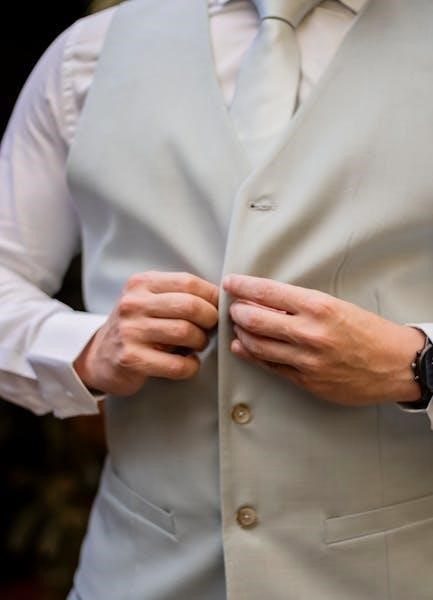
men’s dress shirt size guide
Navigating men’s dress shirt sizing can be complex, with variations across brands and fits.
Understanding key measurements—neck, sleeve, chest—is crucial for achieving a polished look and comfortable wear.
Understanding the Importance of a Proper Fit
A well-fitted dress shirt elevates your entire appearance, conveying confidence and attention to detail.
Incorrect sizing can lead to discomfort, restricted movement, and an unpolished aesthetic.
A shirt that’s too tight strains buttons and appears unprofessional, while one that’s too loose looks sloppy.
Proper fit ensures the collar comfortably accommodates your neck, the sleeves end at your wrist bone, and the shirt drapes smoothly over your chest and shoulders.
Investing time in accurate measurements and understanding size charts is essential for a refined and flattering silhouette.
Variations in Sizing Across Brands
Mens dress shirt sizing isn’t standardized; significant variations exist between manufacturers like O’Neill and Dickies.
What you wear as a “medium” in one brand might feel snug or loose in another.
These discrepancies stem from differing cut styles, fabric compositions, and target demographics.
Therefore, relying solely on your usual size is risky. Always consult each brand’s specific size chart before purchasing.
Pay close attention to chest, neck, and sleeve measurements, as these are the most critical indicators of a good fit. Comparing charts is vital for consistent results.

Key Measurements for Dress Shirts
Accurate measurements—neck, sleeve length, chest, and shoulder width—are fundamental to finding a well-fitting dress shirt.
These dimensions dictate comfort and appearance.
Neck Size: How to Measure
To determine your neck size, use a flexible measuring tape. Wrap it snugly around the base of your neck, where your collar typically sits.
Ensure the tape is level and not too tight, allowing room for comfortable breathing.
Record the measurement in inches.
Standard neck sizes generally range from 14 to 17 inches, corresponding to shirt sizes from XS to XXL.
If your measurement falls between sizes, it’s often recommended to size up for a more comfortable fit, especially if you prefer a looser collar.
Sleeve Length: Determining the Right Fit
Accurately measuring sleeve length is vital for a sharp appearance. Start at the center back of your neck and measure over your shoulder, down your arm, and to your wrist bone.
Keep your arm slightly bent during measurement.
Sleeve lengths are typically indicated in inches. Common sizes range from 32 to 37 inches, often correlating with height.
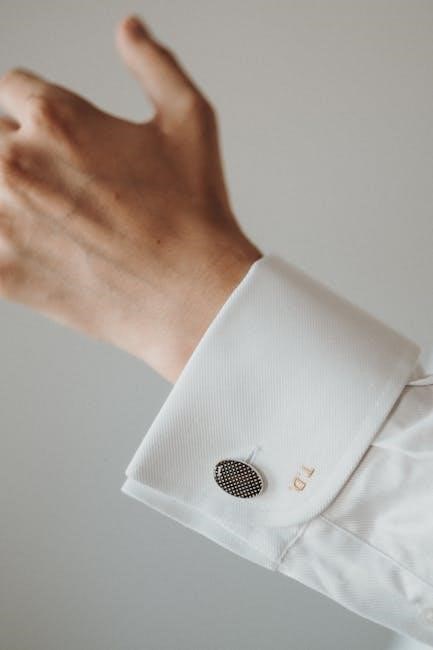
A properly fitted sleeve should allow about ½ inch of shirt cuff to extend beyond your jacket sleeve.
Chest Size: Accurate Measurement Guide
To determine your chest size, measure around the fullest part of your chest, keeping the tape measure level and under your armpits.
Ensure a comfortable, but not tight, fit during measurement; don’t suck in your stomach or puff out your chest.
Record the measurement in inches. Shirt chest sizes often add 2 inches to your actual body chest measurement to allow for comfortable movement.
Refer to brand-specific size charts, as chest sizes can vary significantly between manufacturers.
Shoulder Width: Why It Matters
Shoulder width significantly impacts a shirt’s fit, influencing how the shirt drapes and feels.
Measure shoulder width by finding the point where your shoulder meets your neck, then measuring across your back to the same point on the other shoulder.
A proper shoulder fit prevents pulling or bunching, ensuring the shirt lies flat.
Incorrect shoulder width can lead to discomfort and a distorted appearance.
Consider this measurement, especially when purchasing online, for a tailored look.
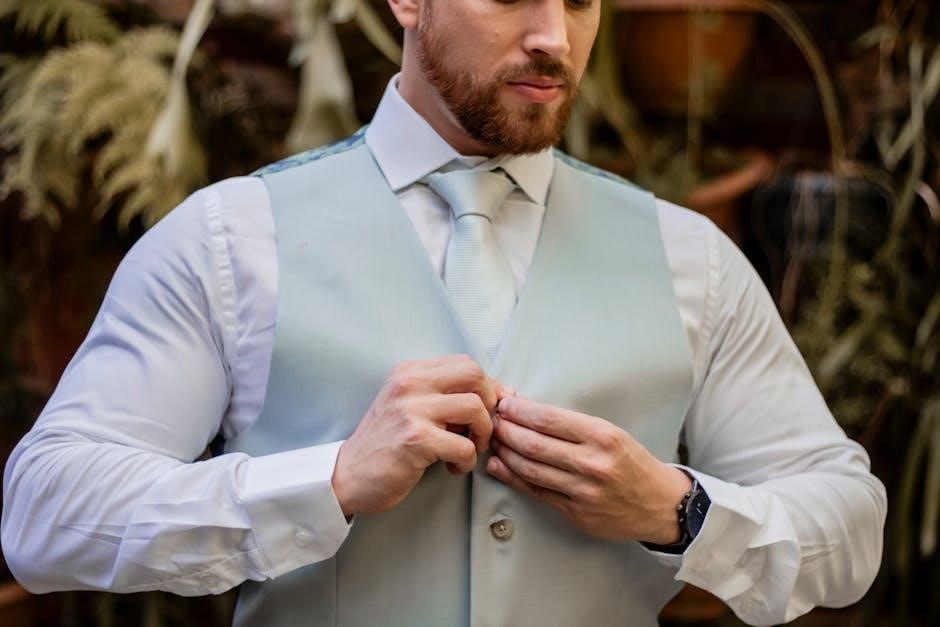
US Standard Dress Shirt Sizes
Standard US dress shirt sizes correlate neck and sleeve lengths with chest measurements, offering a baseline for fit.
Charts help translate these dimensions into labeled sizes.
Neck Sizes and Corresponding Shirt Sizes
Determining your neck size is the foundation of dress shirt sizing. Use a flexible measuring tape to measure around the base of your neck, keeping it snug but not tight.
Common US neck sizes range from 14.5 inches to 17.5 inches, translating to shirt sizes from 14 ½ to 17 ½;
Generally, a 14.5-inch neck corresponds to a size 14 ½, 15 inches to 15, 15.5 inches to 15 ½, and so on.
However, remember that sizing can vary between brands, so always consult the specific brand’s size chart for the most accurate fit.
Sleeve Lengths Based on Height
Sleeve length is typically determined by height, ensuring the cuff hits your wrist bone when your arm is bent at a 90-degree angle.
Standard sleeve lengths range from 32 inches to 37 inches, often increasing in 1-inch increments.
As a general guideline, individuals around 5’8” to 5’10” often require a 34-inch sleeve, while those 6’ and taller may need a 36- or 37-inch sleeve.
However, arm length can vary, so measuring is crucial; brand charts offer precise guidance.
Chest and Shoulder Size Ranges for Each Size
Standard shirt sizes correlate with chest and shoulder measurements. A size Medium typically fits a 38-40 inch chest and 17-18 inch shoulder width.
Large generally accommodates a 42-44 inch chest and 18-19 inch shoulders.
Extra Large suits a 46-48 inch chest with 19-20 inch shoulders, while sizes extend upwards for larger builds.
Remember, these are averages; always consult specific brand size charts for accurate fit, as cuts vary significantly.
European/International Dress Shirt Sizes
Converting US shirt sizes to European standards requires understanding differing charts. European sizes often use centimeters, while US sizes utilize inches for measurements.
Converting US Sizes to European Sizes
Accurately translating US dress shirt sizes to European counterparts involves a careful comparison of sizing charts; Generally, a US size 15.5/16 inch neck corresponds to a European size 39/40. A US size 16.5/17 inch neck typically equates to a European size 41/42.
Larger sizes follow a similar pattern; a US 17/17.5 inch neck is around a European 43/44. Remember these are approximations, and brand-specific charts are essential for precision. Height and chest measurements also play a role in finding the best fit within the European system.
Understanding European Size Charts
European dress shirt sizes are often presented as a numerical value, ranging from 37 to 60, correlating with neck circumference in centimeters. Alongside this, you’ll find sleeve length indicated separately in centimeters. Charts also include height and chest measurements for a more precise fit assessment.
Unlike US sizing, which combines neck and sleeve, European charts require checking both dimensions individually. Consider your height, waist, and seat measurements for a comprehensive understanding. Always consult the specific brand’s chart, as variations exist.
Slim Fit vs. Regular Fit Sizing
Slim fit shirts are cut closer to the body, requiring potentially larger sizes than regular fit. Regular fit offers more room through the chest and waist for comfort.
Differences in Cut and Measurement
Regular fit shirts provide a classic silhouette with more fabric, allowing for ease of movement and a comfortable feel. Slim fit shirts, conversely, are tailored closer to the body, featuring a narrower cut through the chest, waist, and sleeves.
Measurements differ significantly; a slim fit shirt may require increasing your neck and chest size by one or two inches compared to a regular fit. Sleeve length and shoulder width are also impacted, with slim fits often having shorter sleeves and a more defined shoulder line. Understanding these distinctions is vital for selecting the appropriate size.
Sizing Adjustments for Slim Fit Shirts
When choosing a slim fit dress shirt, consider increasing your typical neck size by half an inch to one inch for comfort. A snug, but not constricting, fit is the goal. Similarly, adding one inch to your chest measurement can prevent pulling or tightness.
Pay close attention to sleeve length; slim fit shirts often run shorter. If between sizes, it’s generally better to size up, as tailoring is easier than trying to stretch a too-small shirt. Always check brand-specific size charts, as variations exist.
Specific Brand Size Charts
Brand sizing varies significantly; consulting individual charts—like O’Neill and Dickies—is essential. These charts detail specific measurements for each size offered by the manufacturer.
O’Neill Men’s Shirt Size Chart Overview
O’Neill’s sizing incorporates height and weight alongside traditional chest measurements for a more precise fit. Their chart spans from 2XS (168-173cm, 52-59kg) to 5XL, offering broad coverage.
Key measurements include chest circumference and corresponding waist sizes. It’s important to note O’Neill’s sizing may run slightly different than standard US sizes, so careful review is recommended. Always prioritize checking the specific garment’s chart, as variations can occur between styles.
Consider both height and weight when selecting a size for optimal comfort and appearance.
Dickies Men’s Top Size Chart Details
Dickies provides a size chart focusing on chest and sleeve length measurements, ranging from XS to 5XL. XS corresponds to a 37.8cm sleeve and 88-92cm chest, while 5XL reaches a 46cm sleeve and a 127-132cm chest.
Their chart emphasizes a snug fit, so consider sizing up if you prefer a looser feel. It’s crucial to accurately measure your chest and compare it to Dickies’ specifications. Remember that Dickies workwear often has a more robust cut, impacting overall fit.
Understanding Shirt Measurement Charts
Decoding chest, waist, and sweep measurements is vital for a proper fit. Back length and hem measurements further refine sizing, ensuring optimal shirt proportions.
Decoding Chest, Waist, and Sweep Measurements
Chest measurement, taken around the fullest part of the chest, dictates the shirt’s width. Waist measurement, usually an inch below the natural waistline, impacts the shirt’s taper. Sweep, the width at the bottom hem, reveals the overall silhouette.
Accurate chest and waist measurements are paramount; compare these to brand size charts. A proper sweep ensures comfortable movement and a flattering fit. Remember to measure while standing naturally, avoiding tight compression or excessive looseness. These three dimensions collectively define the shirt’s fit and style.
Interpreting Back Length and Hem Measurements
Back length, measured from the collar’s base to the hem, determines the shirt’s overall length and how it will sit on your torso. Hem measurements, often part of the sweep, influence the shirt’s drape and whether it’s designed to be tucked in or worn untucked.
Consider your torso length when assessing back length; a longer torso may require a ‘tall’ size. Hem shape—straight, curved, or rounded—affects the shirt’s aesthetic. These measurements ensure a proportionate and comfortable fit, complementing your body type and desired style.

Troubleshooting Common Fit Issues
Addressing fit problems like a tight neck or incorrect sleeve length is common. Careful re-measurement and understanding size charts can resolve these issues effectively.
Shirt Too Tight in the Neck
A constricting collar is a frequent issue. First, confirm accurate neck measurement; retake it ensuring the tape is snug but not overly tight. Consider that shirt fabrics can vary – some have less give. If the issue persists, sizing up to the next neck size is often the solution.
Also, check for a poorly constructed collar or excessive starch, both contributing to discomfort. Buttoning the top button should allow comfortable finger insertion; if not, it’s too small. Explore shirts with a more generous collar spread for increased comfort, especially if you have a larger neck.
Sleeves Too Long or Too Short
Incorrect sleeve length impacts overall appearance. Ideally, approximately ½ to ¾ inch of shirt cuff should be visible beyond the jacket sleeve. To measure, bend your arm slightly; the sleeve should end at the base of your thumb. Sleeves too short look unprofessional, while excessively long sleeves appear sloppy.
If consistently facing this issue, prioritize measuring your arm length accurately. Some brands offer different sleeve length options within the same neck size. Tailoring is a viable solution for a perfect fit, adjusting sleeves for optimal proportion and style.

Online Size Guides and Tools
Many retailers provide detailed size charts and calculators on their websites. Utilizing these brand-specific resources ensures a more accurate fit when purchasing online.
Utilizing Brand-Specific Online Charts
Each brand often has unique sizing standards, so relying on a universal chart can be misleading. Fortunately, most online retailers offer detailed size guides specifically for their shirts.
These charts typically include measurements for chest, waist, neck, and sleeve length, correlated to their specific sizes (XS-5XL and beyond).
Carefully compare your own measurements to the brand’s chart before ordering. Look for charts that provide both inches and centimeters for convenience. Some brands even offer interactive tools or questionnaires to help determine your best fit based on your body type and preferences.
Using Universal Size Calculators
While brand-specific charts are ideal, universal size calculators can provide a starting point when a brand’s chart isn’t available. These tools typically ask for your height, weight, and key measurements like neck and chest circumference.
However, remember these calculators offer estimations, not guarantees. They don’t account for variations in body shape or brand-specific cuts. Always cross-reference the calculator’s suggestion with any available size charts and prioritize checking return policies before making a purchase.
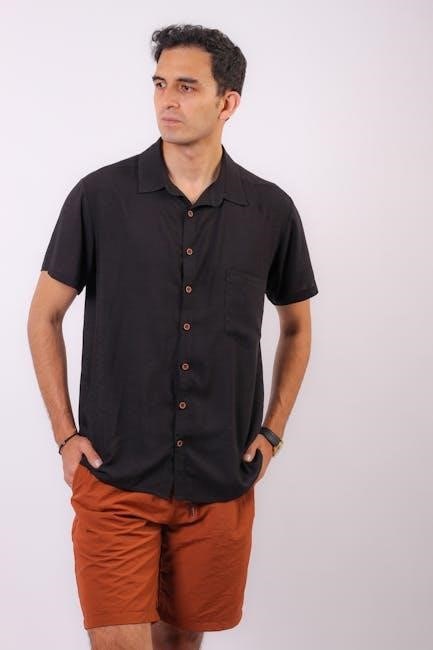
Tips for Buying Dress Shirts Online
Prioritize retailers with easy returns and thoroughly review customer feedback regarding sizing accuracy. Comparing size charts is essential for a successful online purchase.
Checking Return Policies
Before finalizing your online dress shirt purchase, meticulously examine the retailer’s return policy. Understand the timeframe allowed for returns, whether return shipping is free, and any associated restocking fees. A generous return policy provides peace of mind, especially when sizing can vary significantly between brands. Look for policies allowing exchanges for a different size if the initial fit isn’t correct. Confirm if items must be unworn, with tags attached, to qualify for a full refund. Knowing these details upfront can save you time and money if adjustments are needed.
Reading Customer Reviews Regarding Sizing
Leverage the collective wisdom of other shoppers by carefully reading customer reviews, specifically focusing on comments about sizing. Pay attention to feedback regarding whether shirts run true to size, large, or small. Look for reviewers with similar body types to your own for more relevant insights. Note any recurring themes about specific fit issues, such as a tight neck or short sleeves. Customer reviews can offer valuable, real-world perspectives that supplement the official size charts, helping you make a more informed decision and minimize the risk of an ill-fitting purchase.

Caring for Your Dress Shirts to Maintain Fit
Proper washing and drying techniques are essential for preserving the fit of your dress shirts, preventing unwanted shrinkage and maintaining their shape.
Proper Washing and Drying Techniques
To safeguard your dress shirts’ fit, always check the care label for specific instructions; Generally, washing in cold water on a gentle cycle is recommended. Turn shirts inside out to protect colors and patterns. Avoid harsh detergents and bleach, opting for mild options instead.
When drying, air drying is the safest method to prevent shrinkage. If using a machine, select a low heat setting and remove promptly to avoid wrinkles. Ironing while slightly damp can help maintain a crisp, tailored appearance.
Avoiding Shrinkage
Shrinkage is a common concern with dress shirts, particularly those made from natural fibers like cotton. To minimize this, prioritize cold water washing and avoid hot water altogether. Gentle cycles are preferable to vigorous ones, reducing stress on the fabric.
Crucially, avoid high-heat drying. Air drying is ideal, but if using a dryer, select the lowest heat setting. Removing shirts while still slightly damp and ironing can also help maintain their original size and shape, preserving the fit you initially purchased.

Advanced Considerations: Body Type and Fit
For athletic or larger builds, standard sizes may require adjustments. Consider tailored fits or brands specializing in these body types for optimal comfort and style.
Shirts for Athletic Builds
Men with athletic builds often find standard shirts tight across the shoulders and chest, yet loose in the waist. Look for shirts labeled “athletic fit” or “slim fit” designed with extra room in the shoulders and biceps. These cuts accommodate broader upper bodies while maintaining a streamlined silhouette.
Consider a shirt with a bit of stretch in the fabric for enhanced mobility and comfort. Pay close attention to the shoulder seams – they should lie flat and not pull. You might need to size up in the shoulder and chest, then have the waist tailored for a perfect fit.
Shirts for Larger Builds
For men with larger builds, prioritizing comfort and a flattering fit is essential. Avoid shirts that are overly tight, as they can appear constricting. Look for “classic fit” or “relaxed fit” shirts, offering more room throughout the chest, waist, and shoulders.
Ensure the shirt doesn’t pull or strain when buttoned. Pay attention to the fabric; breathable materials like cotton or linen are ideal. Don’t hesitate to explore extended size ranges offered by brands specializing in big and tall menswear for a better fit.
Menswear Size Guide ⎼ Neck and Sleeve
Standard US neck sizes range from 14.5 to 19 inches, paired with sleeve lengths from 32 to 37 inches, ensuring a tailored fit for various heights.
Standard Neck Sizes (US)
US standard neck sizes for men’s dress shirts typically begin at 14.5 inches and extend up to 19 inches, increasing in half-inch increments. Common sizes include 15, 15.5, 16, 16.5, 17, 17.5, and 18 inches.
Accurate neck measurement is vital; use a flexible measuring tape to determine the circumference at the widest point of your neck, keeping the tape level.
This measurement directly correlates to the shirt size, ensuring a comfortable, non-constricting fit.
Consider that some brands may slightly vary in their sizing, so consulting specific brand charts is always recommended for optimal results.
Standard Sleeve Lengths (US)
US standard sleeve lengths for men’s dress shirts are generally measured in inches, starting around 32 inches and extending to 37 or even 38 inches. Common increments are 32, 33, 34, 35, 36, and 37 inches.
To determine your correct sleeve length, measure from the center back of your neck, over your shoulder, and down to your wrist bone.
A slight bend in your elbow should be maintained during measurement.
Proper sleeve length ensures the shirt cuff hits your wrist at the appropriate point, typically revealing about half an inch of your shirt cuff beyond your jacket sleeve.
Related Posts

ados-2 pdf free download
Download the ADOS-2 PDF instantly! Get expert insights and make assessment easy. Your go-to resource for ADOS-2 tools.

escales 5e année pdf gratuit
Obtenez gratuitement le manuel Escales 5e année en PDF. Cours, exercices et solutions pour une révision efficace. Téléchargez maintenant !

2 step equations worksheet pdf
Download our free 2 step equations worksheet PDF to solve math problems easily. Perfect for students and teachers to improve algebra skills.